
Demystify Water Well Drilling & Pump Systems
Owning a Water Well in NW Montana Essentials
Explore the essentials of drilling and owning a water well system in Flathead County and surrounding areas, where pristine landscapes meet reliable water solutions.

Well Drilling Essentials
A practical guide drilling a new well.
Whether you’re in Kalispell, Whitefish, Bigfork, Marion, or Eureka, drilling a new well in NW Montana is the start to unlocking reliable access to the most vital resource in the world: Water!
This guide walks through critical steps, including site evaluation, selecting the right drilling method, final well construction (sanitary seal, casing type, and sediment screen design), and compliance with state & federal regulations. By combining proven drilling techniques with quality construction, well owners can avoid common issues like dry wells and external bacterial contamination and enjoy the freedom of owning a dependable private water system.
A Walk Down on Well Drilling
Drilling a new well can be both exciting and scary. Knowing what to expect, what questions to ask, and where to find answers can help not only speed up the process but ensure the best outcome possible.
–
Below are common questions that we hear from people who are new to water wells and even those who have always enjoyed living with a water well.
What is a water well? 🤔
A water well is a drilled or bored hole into subsurface aquifers lined with casing and screens to prevent collapse and filter sediments. A well taps into groundwater stored in permeable formations, allowing a pump or artesian flow to bring clean water to the surface for residential use.
How deep should my well be? 📐
Most wells in Flathead and Lincoln counties average 310-ft deep, a figure that’s risen over the past 30-years. Depths vary widely—from as shallow as 25-40ft in Evergreen to over 1,500-ft around Lakeside and Kila. Analyzing the surrounding well logs from Ground Water Information Center MT (GWIC) offers a dependable insight into the depths or potential depth ranges. The DNRC recently developed a well log and water rights map. Consulting local expert geologists, hydrologists, reputable well drillers, and other services, such as geo-siesmology, is also available where the well logs leave room for doubt.
Where should I drill my well? 📍
Montana DEQ mandates minimum setback distances for well placement: at least 10 feet from property lines, 50 feet from septic tanks, and 100 feet from drain fields, plus outside restrictive easements. On smaller lots, obtain a DEQ-approved site and septic approval before drilling. Beyond compliance, select a location that’s easily reachable by drilling rigs and service vehicles, and provides safe, unobstructed access. Collaborate with experienced drillers, hydrogeologists, and siemologist to evaluate site-specific geology, water availability, and logistical considerations for optimal well performance.
Do I need a permit? 🏛
New Exempt Well Requirement (Effective January 1, 2026)
As of January 1, 2026, Montana landowners who plan to use water from an exempt well must first file a Notice of Intent (NOI) with the Montana Department of Natural Resources and Conservation (DNRC) before the water can be put to use. This requirement applies to all new uses under the exempt well permit exception, whether the well is newly drilled or previously drilled. The NOI must be approved by DNRC before a Notice of Completion (NOC) can be filed, and it is the landowner’s responsibility (not the well contractor’s) to submit the paperwork and fees. The NOI and NOC fees total $650. The NOI cost is $400. Once the NOI is approved and the well is completed and put to beneficial use, an NOC must be filed, along with an additional $250 fee. Authorized NOIs expire after 5 years but can be extended. This process was established by House Bill 681 and is now required for subdivision reviews, real estate transactions, and lawful water use.
Form Links
Form 602I Notice of Intent to Appropriate Groundwater and Form 602 Notice of Completion of Groundwater Development are available online on the DNRC website and at all DNRC water resources regional offices. Regional office staff can answer questions about water right applications and exceptions to the permitting process.
–
Montana requires wells to meet minimal construction standards and be drilled by a licensed, bonded contractor—or by an owner with DNRC permission and inspection. An official well log is required to be submitted to GWIC upon completion of the well.
–
How long does drilling take? ⏳
Well construction, involving specialized equipment and training, encompasses drilling plus surface seals, steel casing, PVC liner, sand screens or perforations. The drilling phase alone might take half a day to several days, but construction—including bore stabilization and finishing—can range from a day to weeks or months, depending on depth and design.
How much water can I expect? 🚿
Most wells in Flathead and Lincoln Counties produce over 2 gallons per minute, sufficient for a family of four using 200–400 gallons daily, with summer irrigation needs. Yield depends on aquifer permeability and well construction: open-bottom wells risk sediment clogging, while properly installed sand screens or casing perforations maintain flow.
Low-yield wells produce as little as 0.25 gpm (about 360 gallons per day). These can meet household needs with storage solutions like cisterns or NSF-certified tanks. Budget constraints or challenging geology may limit depth and can result in dry holes. Optimizing construction and storage integration helps secure a tailored water supply.
How do I find a well driller? 🔎
Finding the right well driller starts with trust and reputation. Ask neighbors, friends, or locals for recommendations. Search online for licensed well drillers in Flathead and Lincoln counties, review their credentials and testimonials. Call your top picks and discuss your project—if you feel comfortable they’ll communicate openly, then proceed. If you have doubts, pause, make more inquiries, or delay your project until you find the driller who earns your confidence.
How much does it cost to drill? 💵
Domestic drilling rates vary from $60–$150 per foot for a borehole. However, full well construction—including professional surface seal installation, level-welded steel casing, perforated or slotted liners, sand screens, and stainless-steel filters in unstable formations— generally adds materials and labor costs. Depending on geology and construction complexity, finishing a dependable well with proper seals and screens can increase the drilling cost, but decrease to risk of future costs and time without water, ensuring reliable yields and protecting pumps and motors from unnecessary wear and damage.
Does the well price include a pump? ℹ️
Well drilling costs rarely include the pump. Estimates may explicitly note pump inclusion. Many drillers solely drill wells and refer to preferred pump installers after the well is completed. Because pump system prices fluctuate based on depth, flow rate, and materials, it’s important to ask about pump costs and scope before hiring a driller.
BONUS: What if my well goes dry? 😱
Most wells rarely run completely dry—many last generations. Groundwater supplies are reliable, but future demand, seismic shifts, or improper drilling can affect yield. Often a “dry” well is just a tripped breaker or mechanical fault. As my our mentor and Master Pump Technician Jack Young use to say, “You don’t miss the water ’til the well runs dry.” Find a pump team that you can depend on to restore and maintain your well and pump performance.
BONUS: What if the well water is contaminated? 🦠
Most Flathead and Lincoln County wells tap confined aquifers below clay seals, providing filtered, safe water. However, shallow wells may harbor surface bacteria, and fractured-bedrock aquifers can contain traces of arsenic. Sanitize well and pump equipment after drilling to prevent contamination. Then collect a sample from the closest tap and submit it to Montana Environmental Labs in Kalispell using one of their three comprehensive test kits. Based on the test results, an appropriate water treatment system can be selected and installed. Note: Iron Bacteria testing must be requested as an add-on to their comprehensive tests.
Well Drilling Methods Overview
Rotary Drilling
Efficient for deep wells
Fast drilling speed
Suitable for various terrains
Cable-Tool Drilling
Ideal for hard rock formations
Lower initial cost
Slower but precise
Auger Drilling
Best for shallow wells
Minimal environmental impact
Cost-effective for small projects
Sand Point
Affordable
Limited Depth
DIY
Local Hydrogeology Insights
Northwest Montana’s hydrogeology is characterized by diverse geological formations, including sedimentary rock layers and glacial deposits, which create abundant aquifers. These natural water reservoirs are replenished by mountain snowmelt and rainfall, providing a reliable and renewable water source. Understanding the local hydrogeology helps in selecting optimal well locations and drilling methods, ensuring a consistent water supply for your property.

The Water Cycle
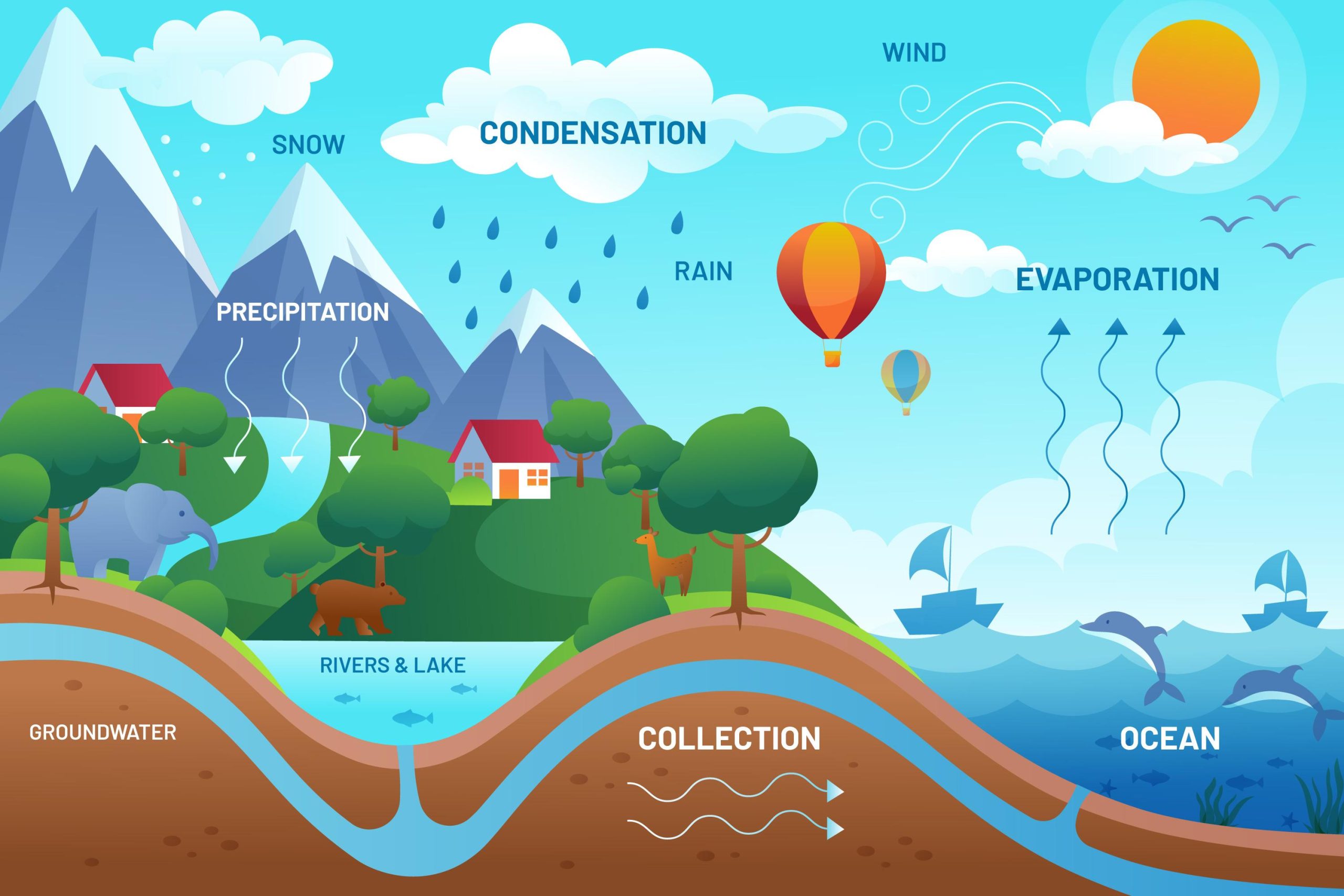
Understanding Geological Formations
Montana’s unique geological landscape features a mix of sedimentary and igneous rock formations. These layers influence water flow and storage, making it crucial to have expert guidance in well placement and construction.
Water Sources in Northwest Montana
The region benefits from a variety of water sources, including mountain springs and underground aquifers. These sources are vital for maintaining a steady water supply, especially in rural and remote areas.
Optimizing Well Placement
Strategically placing your well involves analyzing geological data and hydrogeological maps to ensure maximum water yield and quality. Our team at Alto Well & Pump LLC uses advanced techniques to determine the best drilling sites.
Water Well Pump Systems
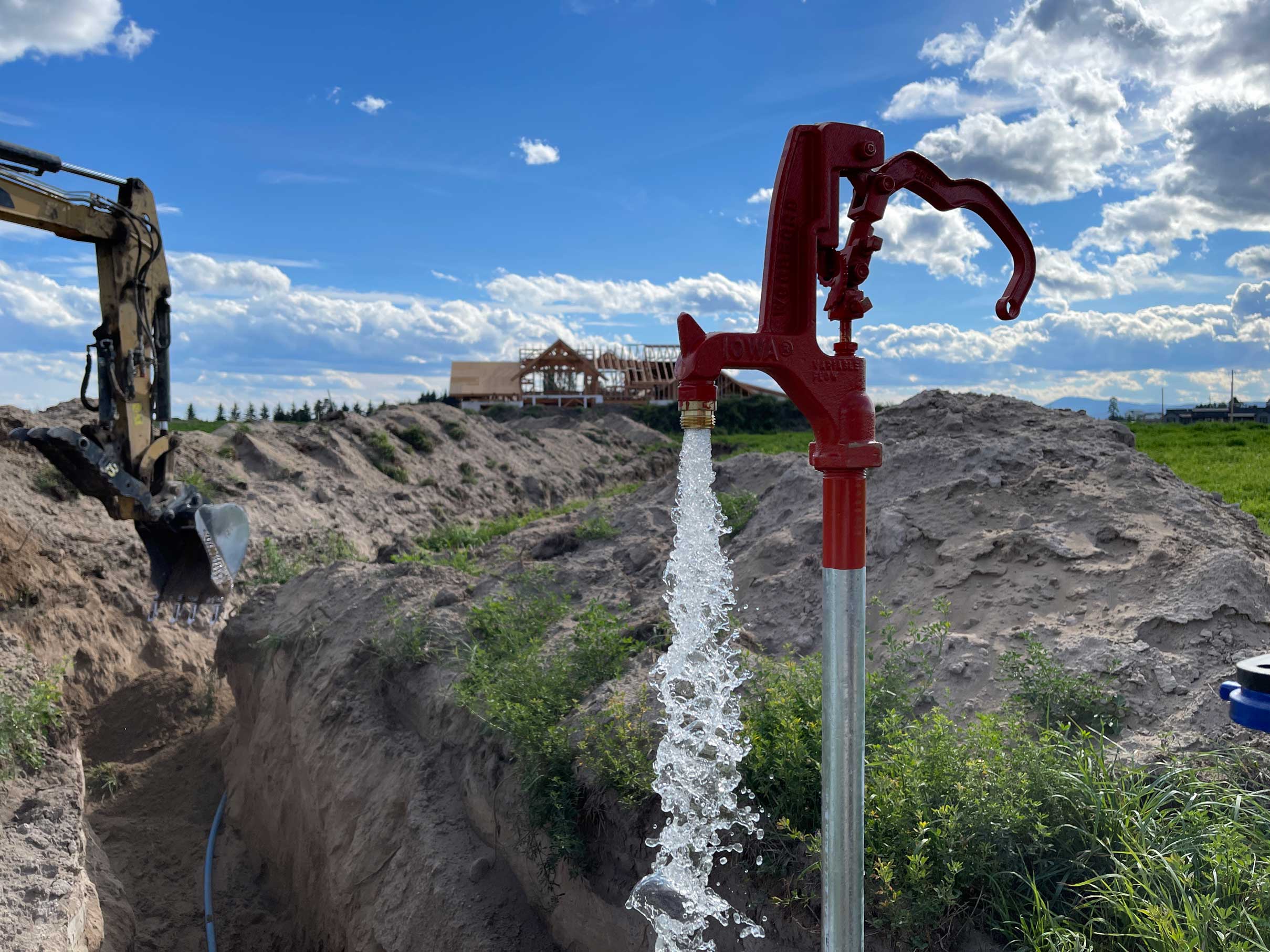
Constructing a well involves several critical components that ensure efficient water extraction and longevity. The casing, typically made of steel or PVC, stabilizes the well and prevents contaminants from entering the water supply. The well screen filters out sediments, maintaining water clarity and quality. A well cap seals the top of the well, protecting it from debris and pests. Finally, the pump system, which can be submersible or above-ground, is essential for transporting water from the well to your home or business.
Servicing Your Pump & Tank
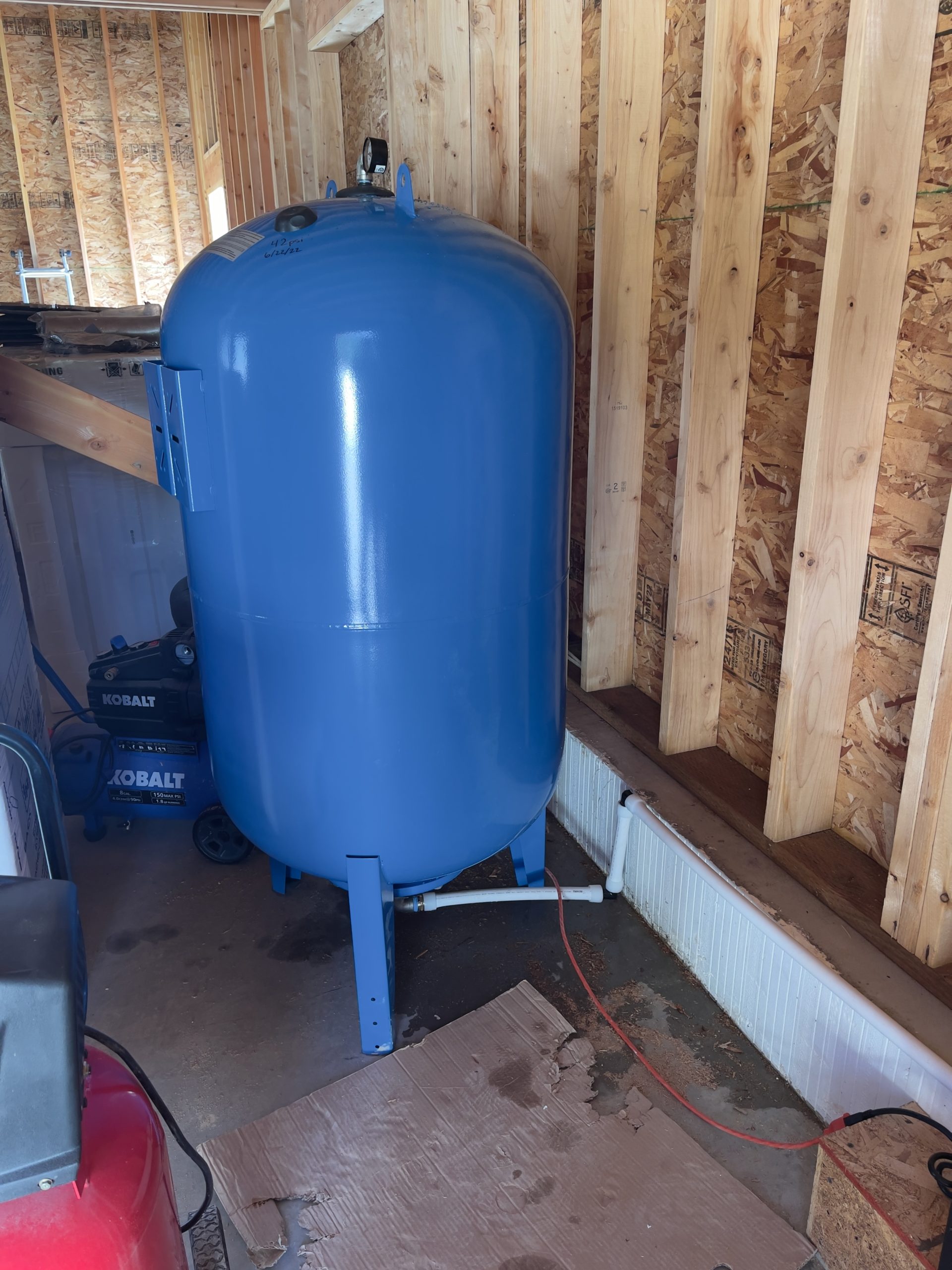
Regular maintenance of your well pump system is crucial to ensure it operates efficiently and lasts longer. Pressure tanks are a vital part of a effecient well pump system. When a pressure tank fails, the cascading effects can be very costly, including burning up pump motors, pressure switches, and controllers. An annual inspection and adjustement 0f the pressure tank can help extend the life or your pump and motor. See below for the complementary PDF visual guides on pressure tank and switch services.
Identifying Pressure Tank Types PDF Downloand
DIY – Servicing Pressure Tanks PDF Download
DIY – Servicing Pressure Switch PDF Download
Q&A: Pump System Maintenance
Explore our frequently asked questions about maintaining your pump system to ensure its longevity and efficiency.
How often should I service my pump system?
Most pump systems benefit from a basic inspection every 1–2 years, even if they appear to be working normally. Regular servicing helps catch small issues—such as pressure tank problems or electrical wear—before they cause unexpected failures. Systems with older equipment, water quality issues, or heavy use may need more frequent checks. Routine maintenance can extend the life of your pump and reduce long-term repair costs.
What are the signs of a failing pump?
Common signs include frequent loss of water pressure, rapid on-and-off cycling, unusual noises, or air sputtering from faucets. You may also notice higher electric bills or longer run times to maintain pressure. These symptoms don’t always mean the pump has failed, but they often indicate wear or a related system issue. Having the system checked early can prevent sudden loss of water and more costly repairs.
Can I perform pump maintenance myself?
Homeowners can safely handle basic checks, such as monitoring pressure, listening for unusual sounds, and keeping the wellhead and pressure tank area clean and accessible. Electrical components, pump controls, and the pump itself should not be adjusted without proper training, as incorrect changes can cause damage or safety risks. If you’re unsure or notice changes in performance, it’s best to contact a qualified pump professional. Knowing when to stop is an important part of protecting your system.
What should I do if my pump stops working?
First, check your electrical breaker and make sure power hasn’t been interrupted. If power is present, avoid repeatedly resetting the system, as this can damage the pump or controls. Take note of any warning signs such as unusual noises, rapid clicking, or loss of pressure. If the issue isn’t obvious and you want to try and prevent risking further damage, it’s best to shut the power off to the pump system and contact a qualified pump professional.
How can I extend the life of my pump system?
Proper sizing, correct installation, and regular maintenance are the biggest factors in pump longevity. Avoid frequent short cycling by keeping pressure tanks and controls in good condition, and address changes in water quality or pressure early. Using pump protection devices and having the system inspected periodically can significantly reduce wear. Small adjustments made early often add years to a pump’s service life.
What is the average lifespan of a well pump?
Most modern well pumps last 15–20 years when they are properly sized, installed, and maintained. Factors such as water quality, depth, usage patterns, and system design can shorten or extend that lifespan. Pumps that short cycle, run dry, or operate with failing controls often wear out much sooner. Regular inspections and proper protection can help a pump reach or exceed its expected service life.
Costs & Considerations
Costs & Considerations
Owning a well involves various costs and considerations that well owners should be aware of. Initial expenses include water right fees, drilling, and pump installation, which can vary based on depth and geological conditions. Ongoing costs encompass regular maintenance, electricity for the pump, and potential repairs. It’s important to budget for periodic water testing and treatment to ensure safety. Consider the long-term savings of having a private water source against these expenses. Planning and understanding these factors can help you manage costs effectively and enjoy the benefits of well ownership.
Financial Planning Options
Effective financial planning is key to managing the costs associated with well ownership. Start by obtaining estimates for drilling and pump installation and filing the appropriate water right permits to understand initial investment requirements. Factor in maintenance, repair, and testing costs into your annual budget. Explore financing options if needed, and consider the potential increase in property value that a well can bring. By being financially prepared, you can ensure that your well remains a reliable and cost-effective water source for years to come.
Long-Term Considerations
When investing in a well, it’s important to consider long-term implications. Regular maintenance and timely upgrades can extend the lifespan of your well system. Stay informed about technological advancements in well equipment that may enhance efficiency and reduce costs. Plan for future needs, such as increased water demand or potential environmental changes, to ensure your well continues to meet your requirements. By taking a forward-thinking approach, you can maximize the benefits of well ownership while minimizing unexpected expenses.

Need Financing?
We offer several financing options to help make water system repairs or upgrades more manageable. Each option is structured differently—some offer lower monthly payments over time, while others offer short-term or promotional rates. Depending on the option selected, financing costs may be reflected in the overall project pricing or in the interest rate. Reviewing each option carefully will help you choose what works best for your budget and timeline.
OPTION 1 — Lower Monthly Payment (5-Year Term)
Designed for customers who want predictable monthly payments over a shorter term. This option offers a 5-year repayment period with competitive fixed interest rates.
Rates: 9.99% – 19.99%
Term: 5 years
OPTION 2 — Long-Term Payments (10-Year Term)
This option offers extended repayment with more competitive rates. It’s a good fit for customers who prefer to keep project pricing as low as possible and spread payments over a longer period.
Rates: 7.99% – 19.99%
Term: 10 years
OPTION 3 — Short-Term, No Interest (12-Month Promo)
Ideal for customers planning to pay off the balance within a year. This option offers the lowest financial cost with no interest if paid in full within 12 months.
Interest: 0% for 12 months
Term: 12 months
Q&A: New Well Owners
Welcome to our Q&A section for new well owners. Here, we address common concerns and provide insights into well ownership in Northwest Montana.
What are the initial steps after drilling a new well?
Once your well is drilled, it’s crucial to conduct a water quality test to ensure safety. Also, schedule a professional inspection to verify the well’s structural integrity and proper sealing.
How often should I test my well water?
We recommend testing your well water annually for contaminants. Additionally, test after any significant environmental changes, such as flooding or nearby construction.
What maintenance does a well require?
Regular maintenance includes checking the well cap, inspecting for leaks, and ensuring the area around the well is clean and free of debris. Professional inspections every couple of years are also advised.
How can I protect my well from contamination?
To prevent contamination, maintain a safe distance between your well and potential pollution sources, such as septic systems or chemical storage. Regularly inspect your well for any signs of damage.
What should I do if my well water pressure drops?
If you notice a drop in water pressure, it could indicate a problem with the pump or plumbing. Contact a professional to diagnose and resolve the issue promptly.
How do I know if my well is running dry?
Signs of a dry well include sputtering faucets, cloudy water, or a noticeable decrease in water pressure. If you suspect your well is running dry, consult a professional immediately.
Get in Touch with Us
We’re here to assist you with all your well and pump needs. Reach out to us for expert advice and services.
Phone
+1 406-800-1175
ateam@altowellandpump.com
Address
37 Startlight Dr.
Kalispell, MT 59901